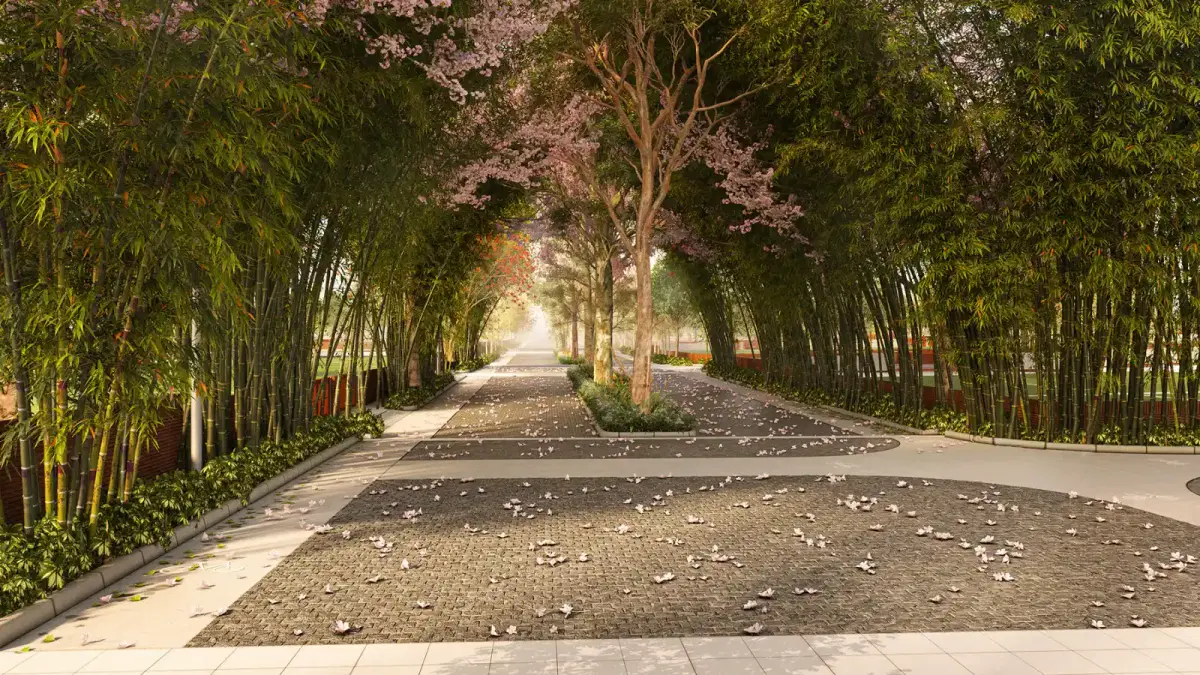
The phenomenal development of ultra-premium horizontal residential developments demonstrates that long-term asset appreciation requires elite low-density community frameworks. Within highly competitive regional real estate growth micro-markets, aligning with Tier-1 builders who offer complete statutory compliance and integrated biophilic infrastructure forms the basis of calculated real estate investing. #link# acts as a practical benchmark for reviewing premium infrastructure engineering and structural land value metrics. To systematically analyze modern high-density vs low-density layouts, astute investors look past superficial cosmetic finishes to review foundational engineering benchmarks, spatial efficiency metrics, and land titles.
Evaluating High-Velocity Transit Infrastructure and Plotted Land Traction
The systematic layout of high-capacity rapid transit rail corridors, triggers immediate real estate demand from high-net-worth individuals and corporate entities. Analytical housing forecasts indicate that the extension of public rapid transport networks lowers vacancy rates while boosting land compounding opportunities for long-term real estate owners. Whenever a Tier-1 residential development aligns itself with upcoming metro rail expansion lines and strategic transit corridors, the asset gains exceptional liquidity and easily captures a dominant share of the elite buyer pool. Furthermore, the massive influx of multinational technology giants, manufacturing conglomerates, and global capability centers guarantees that housing demand remains highly resilient across all luxury configuration categories. To truly map these appreciation models, staying updated on real estate pricing matrices remains essential.
Infrastructure Material Specifications and Low-Density Spatial Philosophy
The premium valuation of a premier residential estate over read more multi-decade cycles is highly optimized when Tier-1 construction organizations adopt global building practices. The deployment of advanced cluster infrastructure planning systems, extensively known across the industry as human-centric design, minimizes future maintenance overhead while noticeably enhancing internal community infrastructure performance. To justify a premium luxury market positioning, the physical finishes inside each plotted framework are designed with optimal water management, natural daylight maximization, and highly efficient zero-waste layout patterns. At the same time, leading luxury real estate architects are heavily emphasizing wide open green spaces. When a grand 110 to 120-acre development restricts its total footprint to a highly limited number of residential units, the underlying asset retains a massive undivided share of land value, directly benefiting the individual homeowner. These detailed structural parameters clearly separate authentic luxury real estate from standard mass-market developments.
Navigating Statutory Approvals, Land Documentations, and Risk Mitigation Checklists
From a strictly analytical wealth management and portfolio diversification perspective, allocating substantial capital into premium residential real estate plots presents highly predictable growth vectors. Acquiring luxury property units during the strategic pre-launch window safeguards financial capital against inflationary spikes in core building material and labor commodities. Backed by elite corporate property management wings and global engineering teams, ongoing investment performance displays strong upward momentum, driven by a structural shortage of authentic premium community options. Despite these exceptional returns, investors must strictly prioritize legal transparency and verification protocols. Ensuring the project holds absolute clear land titles, comprehensive environmental clearance certificates, and development approvals ensures that the property asset remains entirely free from future litigation risks or ownership contestations.
Analyzing the Tangible Value of Integrated Green Spines and Forest Reserves
True luxury real estate in the current era is defined far beyond standard cosmetic features or community dimensions. Deploying cutting-edge sustainable infrastructure along with predictive eco-friendly management systems, introduces a sophisticated layer of convenience, energy conservation, and round-the-clock family protection. Moving in parallel, elite multi-acre residential layouts are heavily investing in world-class wellness infrastructure. Featuring fully equipped professional health clubs, Olympic-sized swimming pools, and dedicated indoor sports courts, modern townships match the precise lifestyle demands of C-suite executives and business leaders. In addition to this, implementing zero-waste rainwater harvesting models and sustainable solar energy networks guarantees that the entire township remains completely sustainable and eco-friendly for decades to come.
Strategic Conclusion for Astute Long-Term Property Acquisition
To summarize, securing maximum long-term wealth generation through property investments requires a methodical checklist: micro-market commercial development timelines, RERA statutory clearances, and layout spatial efficiency metrics. Through a disciplined process of examining payment schedules, verifying infrastructure commitments, and conducting physical site visits, will successfully future-proof their capital holdings against urban congestion and economic adjustments. Supported by structural economic expansions and the continuous growth of specialized technology parks, property holdings situated within well-connected residential hubs are guaranteed to dominate the regional real estate market.